[ad_1]
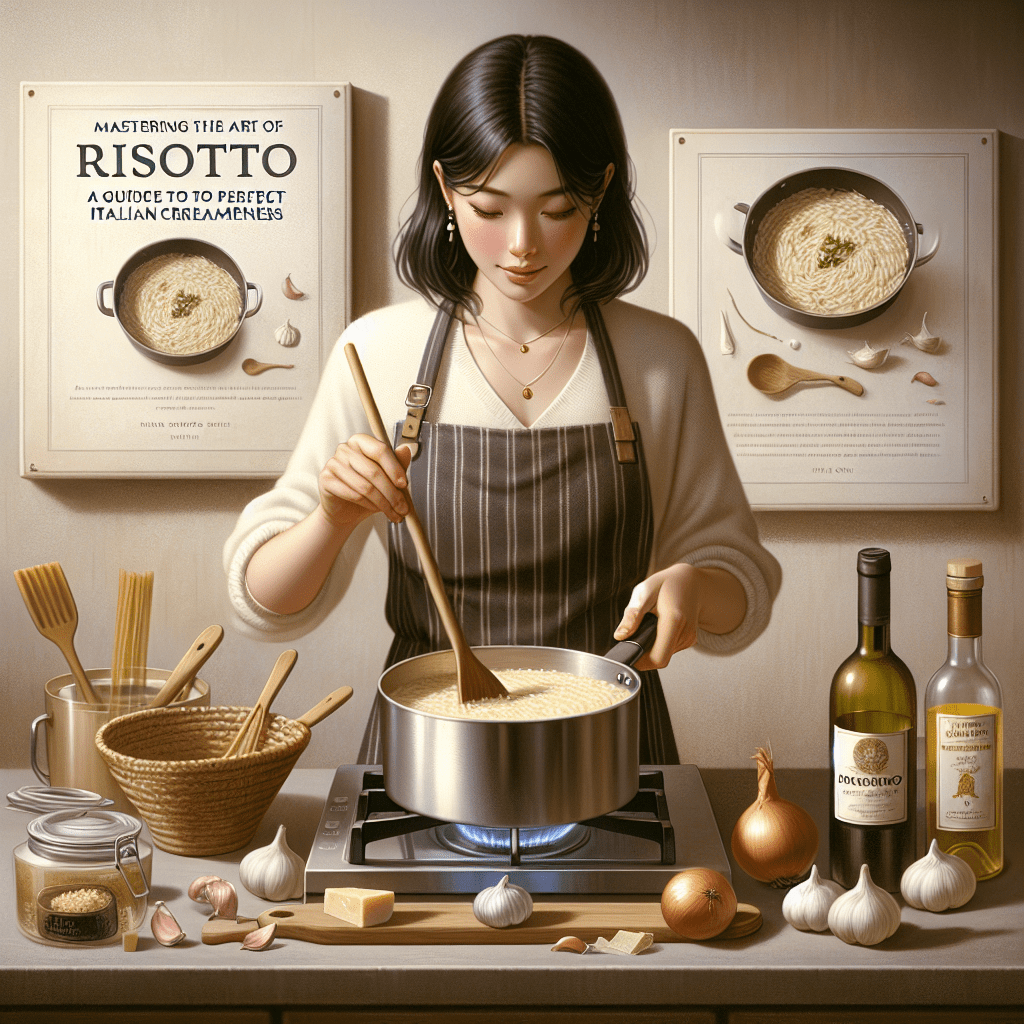
**Mastering the Art of Risotto: A Guide to Perfect Italian Creaminess**
Risotto: a mere mention of this creamy, comforting, and utterly Italian dish evokes images of a devoted cook, laboriously stirring a pot to culinary perfection. This classic staple, originating from the northern region of Italy, marries Arborio rice with broth to achieve a luscious creaminess, without the use of creams or heavy sauces. It’s a simple dish at heart, yet mastering it can be a fine art. Whether you are a novice seeking to delve into the world of Italian cooking or a seasoned chef aiming to refine your risotto skills, this guide will escort you through the steps to achieving the perfect risotto – full of flavor and luxuriously creamy.
### The Basics of Risotto
Before embarking on your risotto journey, understanding its foundation is essential. Risotto, at its core, is made up of a few key components; rice, broth, and a base flavor, often onion, cooked in olive oil or butter. As you become more familiar with the process, you’ll discover the vastness of risotto variations, incorporating everything from saffron in a classic Risotto alla Milanese to mixed seafood in a Risotto ai frutti di mare.
### Select the Right Rice
The secret to that iconic risotto texture starts with choosing the correct type of rice. Arborio rice is the most widely available and widely used due to its high starch content, which contributes to the dish’s creaminess. However, other varieties such as Carnaroli and Vialone Nano are also prized for their ability to absorb flavors and maintain a firm texture. Investing in high-quality rice is the first step towards a flawless risotto.
### The Art of the Broth
The broth (vegetable, chicken, or beef, depending on the recipe) is not just a cooking liquid; it’s the soul of the risotto, imbuing the rice grains with depth and flavor as they slowly absorb it. Homemade or high-quality store-bought broth can make a significant difference in the outcome of your dish. It’s essential to have your broth heated in a separate pot and added ladle by ladle to the rice, ensuring it’s fully absorbed before adding more. This method facilitates the release of starch from the rice, achieving that coveted creamy consistency.
### Mastery in the Making
The technique to perfect risotto lies in patience and attention. Start by sautéing onions or shallots in olive oil or butter until they’re translucent. Then, add the rice, toasting it slightly until it’s well-coated and translucent at the edges. This process, called “tostatura,” is critical, as it briefly cooks the outer layer of the grains, preventing them from breaking down too quickly.
After toasting the rice, adding a splash of wine and letting it absorb sets the stage for the main event – adding the broth. Add the broth gradually, stirring constantly, and allowing each addition to be absorbed before adding the next. This continuous stirring and gradual absorption is what encourages the starches to meld harmoniously with the liquid, creating the signature risotto creaminess.
### The Final Touches
As the risotto nears its perfect consistency – al dente, not too firm but not overly mushy – it’s time for the final touches. A knob of butter for extra silkiness, grated Parmigiano-Reggiano for a nutty depth, and any additional ingredients (like mushrooms, peas, or seafood) should be stirred in. Let the risotto rest for a minute or two after cooking; this resting period allows it to reach the perfect consistency and fully meld flavors.
### Risotto FAQs
**Q: Can I make risotto without wine?**
A: Yes, you can omit wine and simply start adding broth directly after toasting the rice, though wine adds an acidity that balances the richness of the dish.
**Q: How do I know when my risotto is done?**
A: The rice should be al dente – tender on the outside but still with a slight bite in the center. The overall dish should have a creamy consistency that flows slowly if spooned onto a plate.
**Q: Can risotto be reheated?**
A: While best enjoyed fresh, risotto can be gently reheated with a splash of broth or water over low heat, stirring constantly until it’s creamy and heated through.
**Q: Is constant stirring necessary?**
A: Yes, to achieve the creaminess characteristic of a good risotto, constant, gentle stirring is needed. This action helps to release the starches from the rice.
**Q: Can I add other ingredients to my risotto?**
A: Absolutely! Once you’re comfortable with the basic technique, feel free to experiment with various add-ins like roasted vegetables, sautéed seafood, or fresh herbs.
With patience, attention to detail, and high-quality ingredients, mastering the art of risotto is within reach. Embrace this culinary journey, and let the creamy, comforting bowls of risotto you craft bring a taste of Italy into your kitchen. Happy cooking!
[ad_2]